About the Hotel

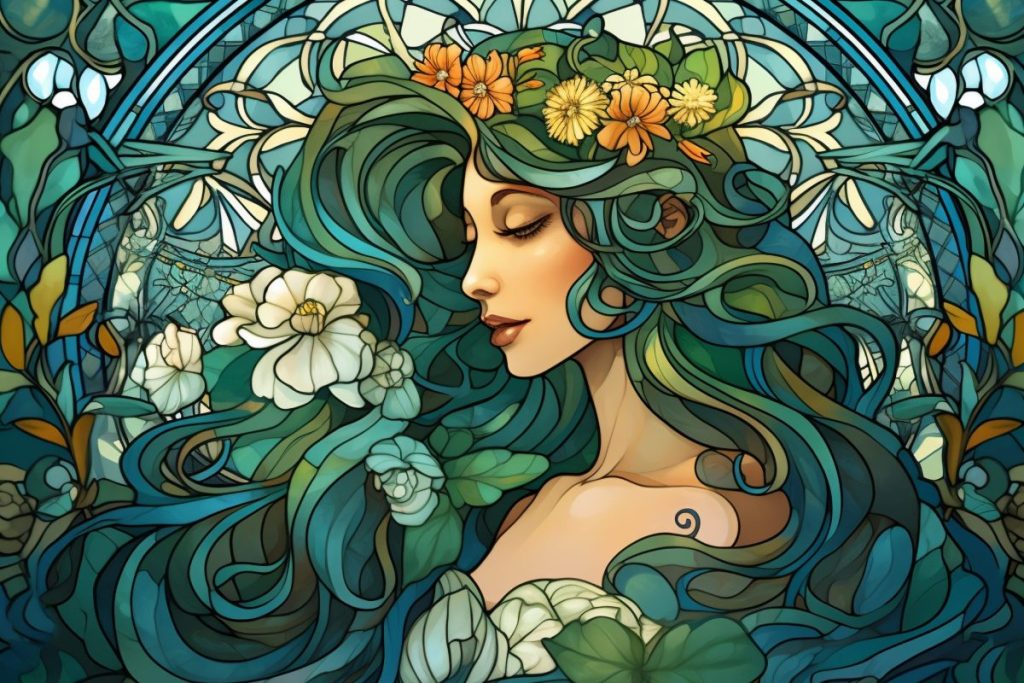
ALFONS Boutique Hotel is a unique place with an intimate atmosphere, combining the opulent Art Nouveau style,
modern and very elegant design of hotel rooms, and elements of art inspired by the world-renowned
Czech painter Alfons Mucha, the Art Nouveau period, and art nouveau.

About the Hotel

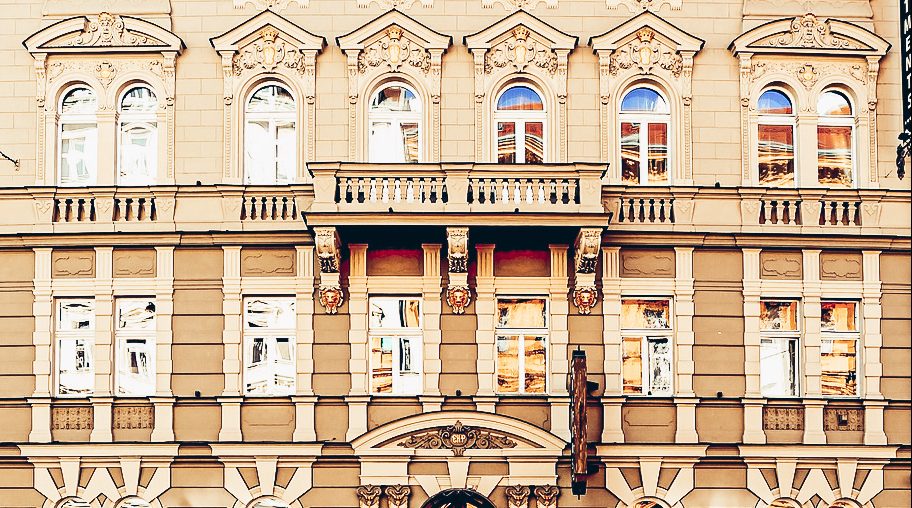
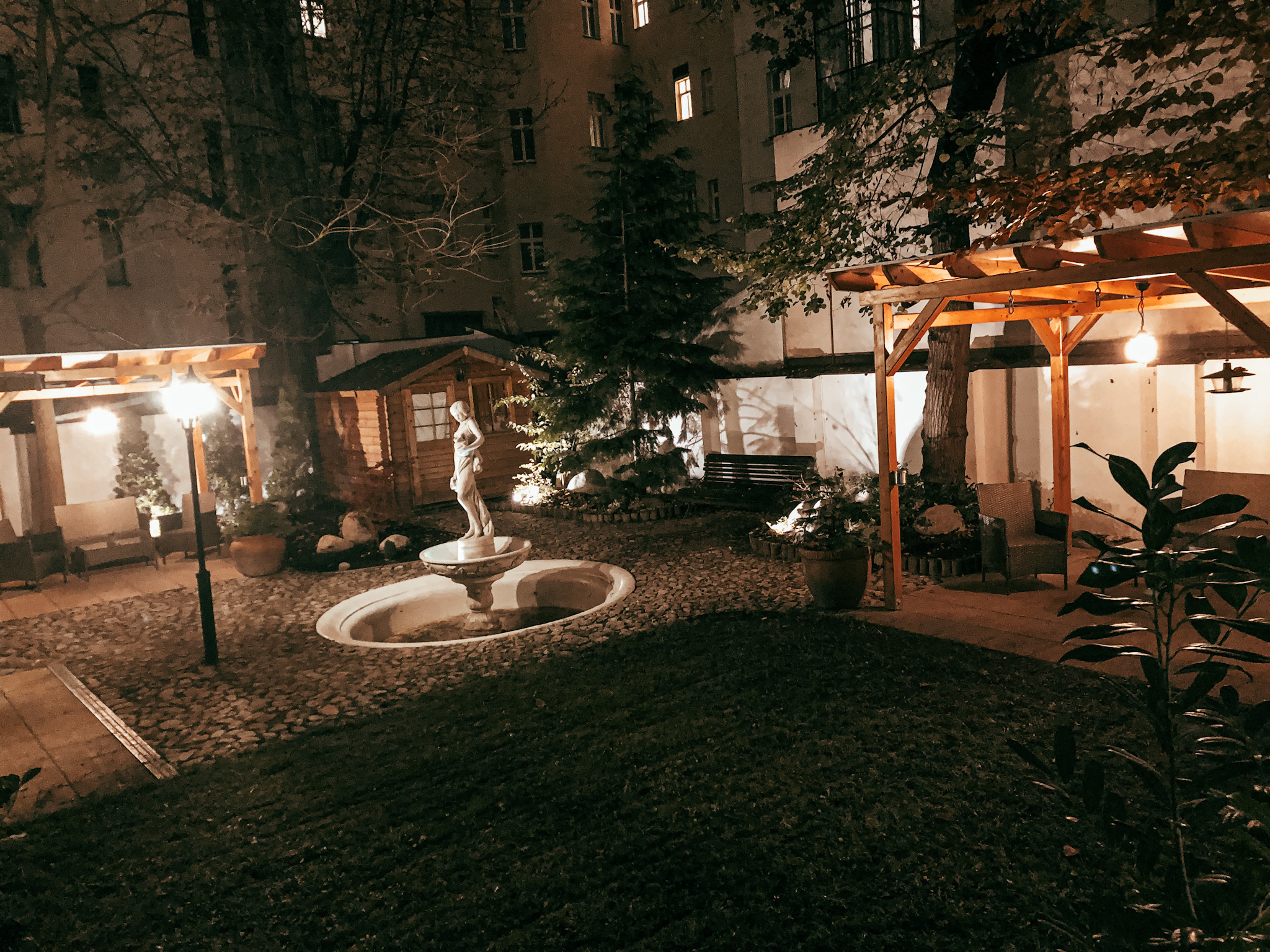
Alfons Boutique Hotel is located in the center of Prague, less than 500 meters from Wenceslas Square. Its central location in the heart of Prague guarantees that all major Prague attractions are within a short distance of the hotel, mostly within walking distance. The building of the hotel and apartments was built at the end of the 19th century in a classicist style with very ornate facade and interior elements.

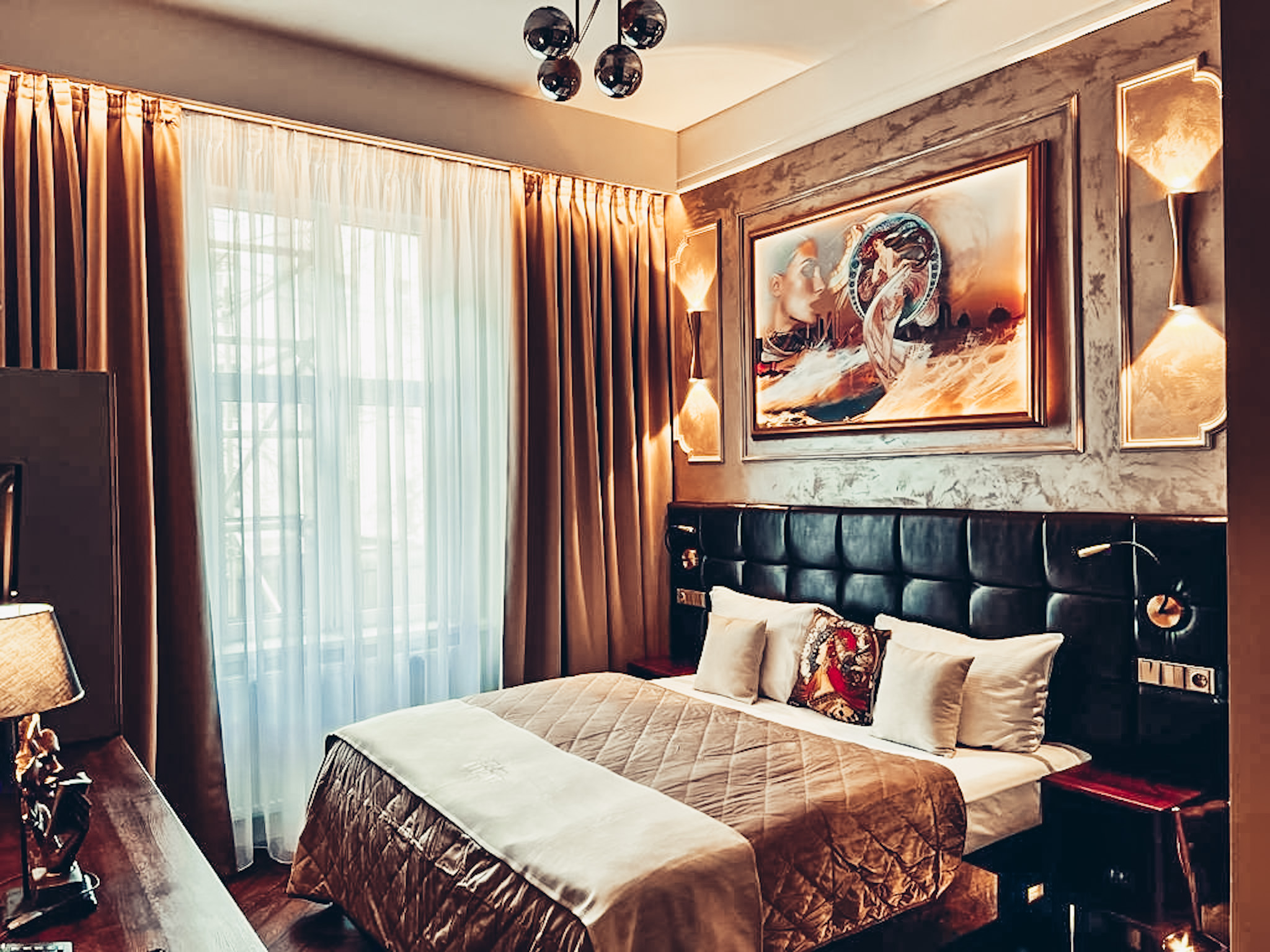
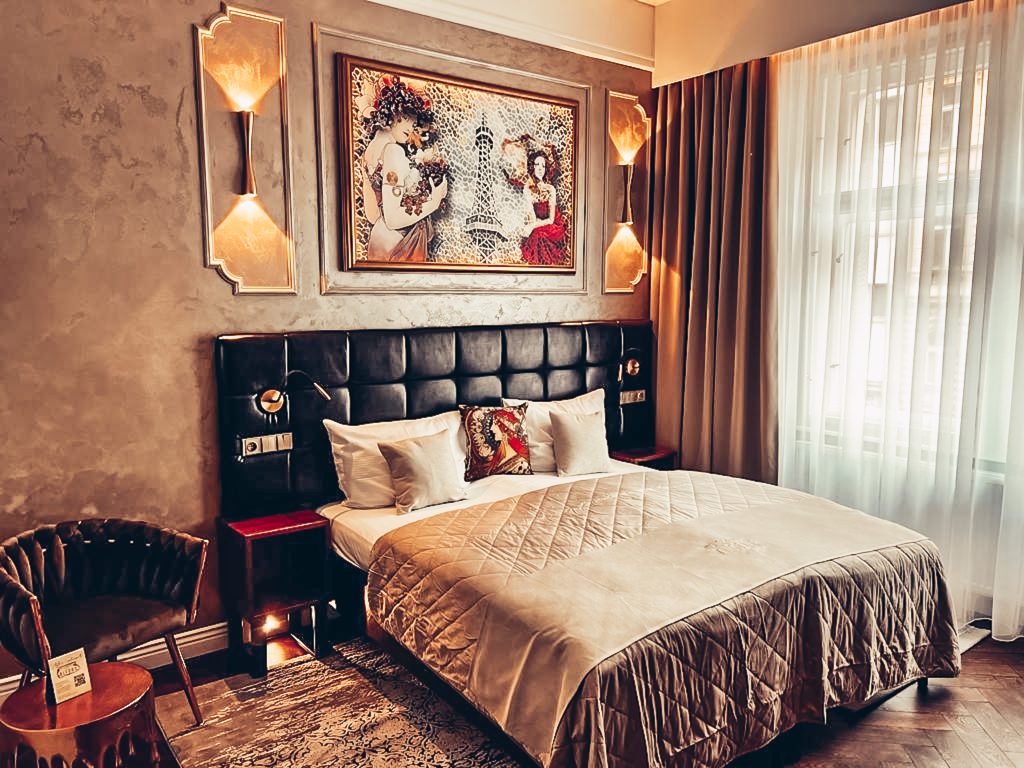
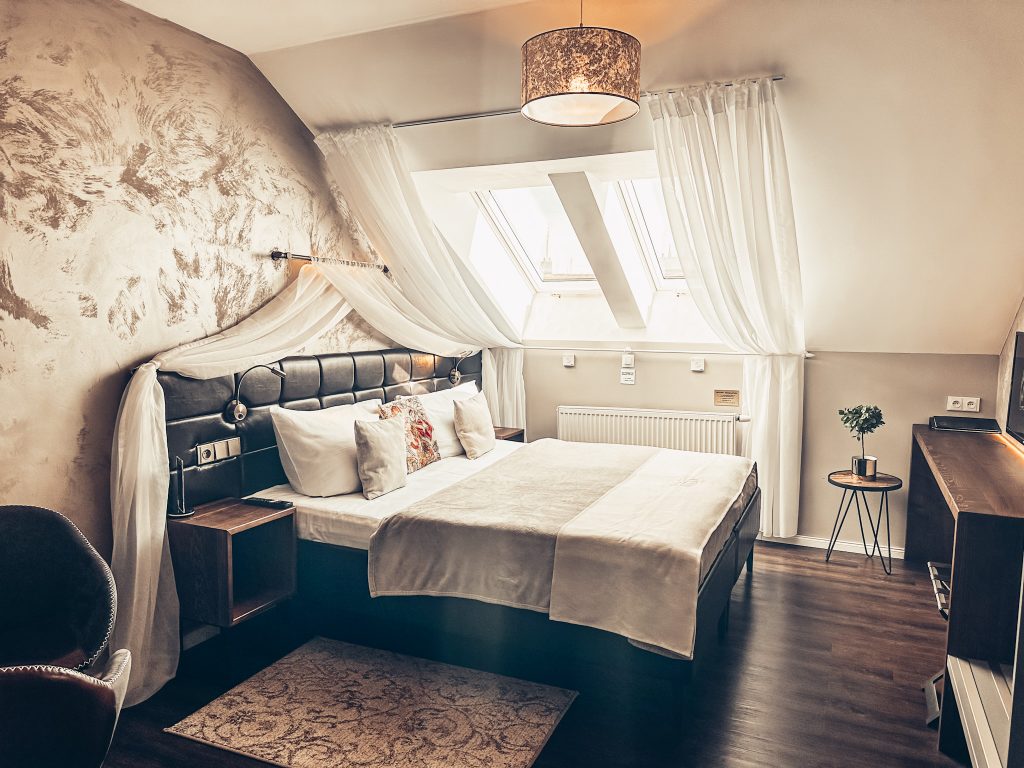
The rooms and apartments are modernly and tastefully furnished in a style inspired by Art Nouveau and Art Nouveau with all the latest features that are standard in luxury hotel rooms today. In terms of comfort, the rooms offer true comfort even to the most demanding guests.

Every guest will appreciate a good night’s sleep on premium mattresses with a choice of pillow type, a modern equipped bathroom, romantic room lighting, a well-stocked mini-bar, a private coffee machine, a Smart TV with internet connection, or relaxing armchairs in which to enjoy a cup of tea or coffee.

Due to the nature of the historic building and the central staircase, we do not recommend staying for people in wheelchairs.

The smaller capacity of the hotel allows us to approach each guest individually. The high standard of services provided and the flexibility to resolve any requests is just an added value.

History of the Hotel

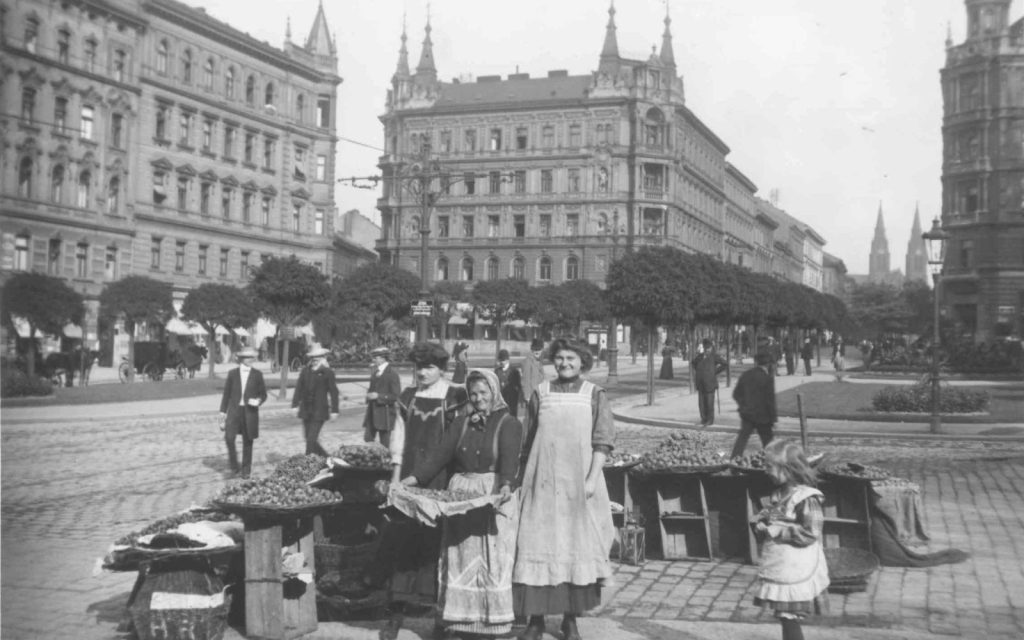
Where Legerova Street is located today, there was originally a footpath along the original walls of the New Town of Prague. It led north to the fords across the Vltava River near Štvanice Island and south towards today’s district – Nusle. The New Town walls were built by Charles IV in the mid-14th century and measured approximately 6 km.

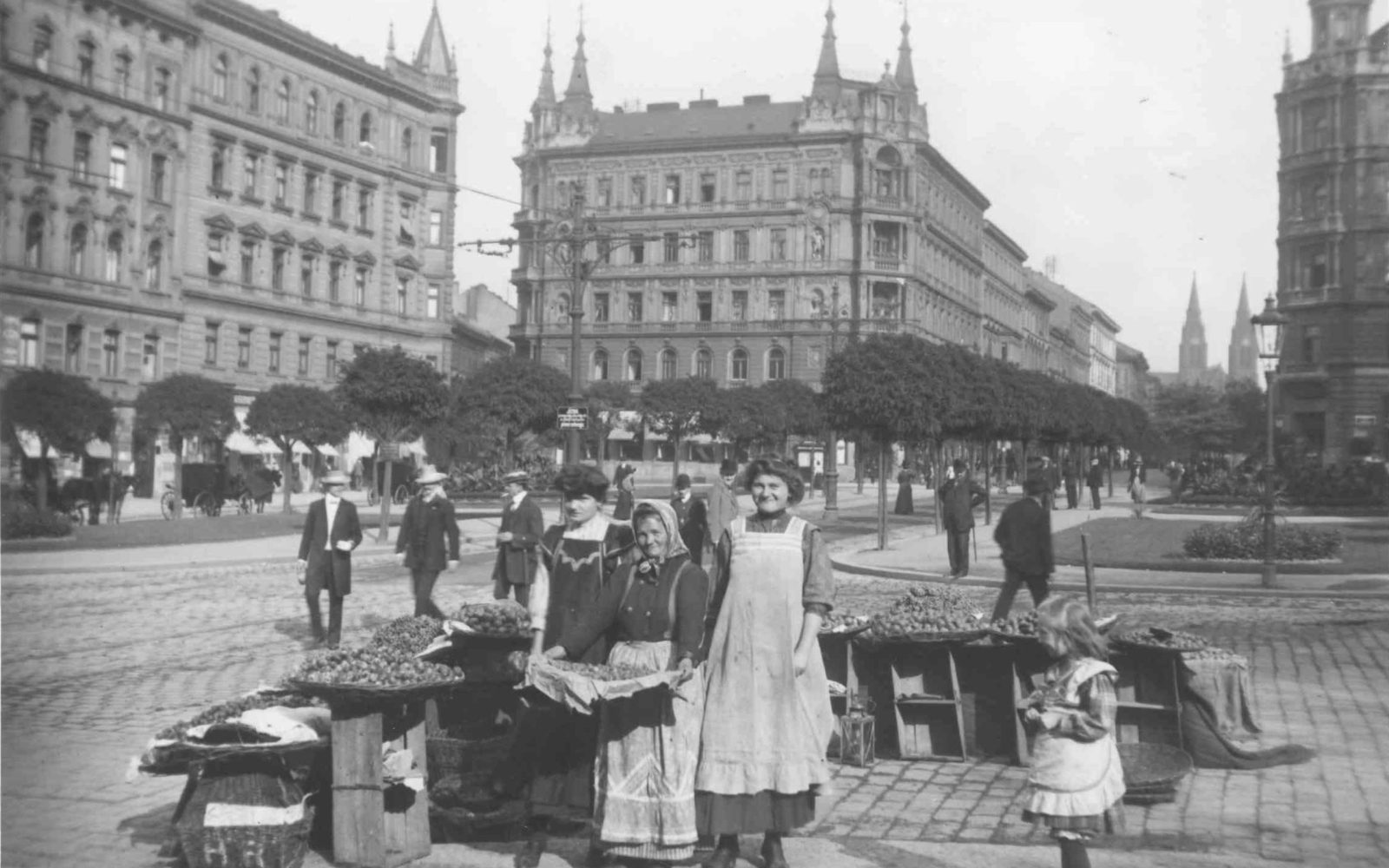
Legerova Street is now a wide street with a busy thoroughfare, but this was not the case in the past. It was a wide boulevard where trams also ran at the beginning of the 20th century. Its name originated in 1900 after a French university professor at the Sorbonne in Paris, who supported the idea of an independent Czech state, Louis Leger.

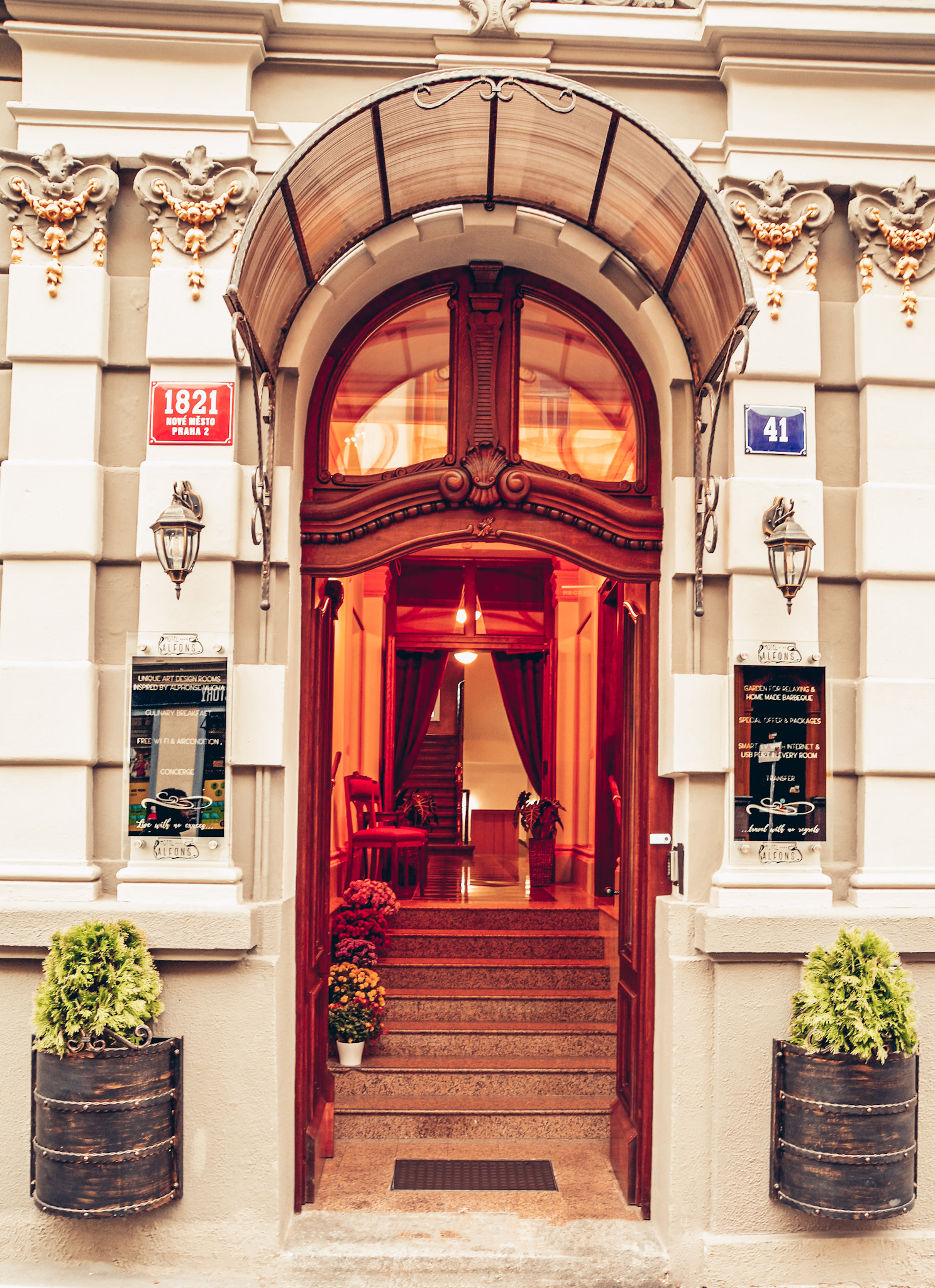
The hotel building was built at the end of the 19th century in the style of classicism with elements of Art Nouveau. The very ornate classicist facade of the building, the entrance doors and the entrance hall of the hotel reflect their era with elegance, airiness and quality, which will be appreciated by modern builders as well.

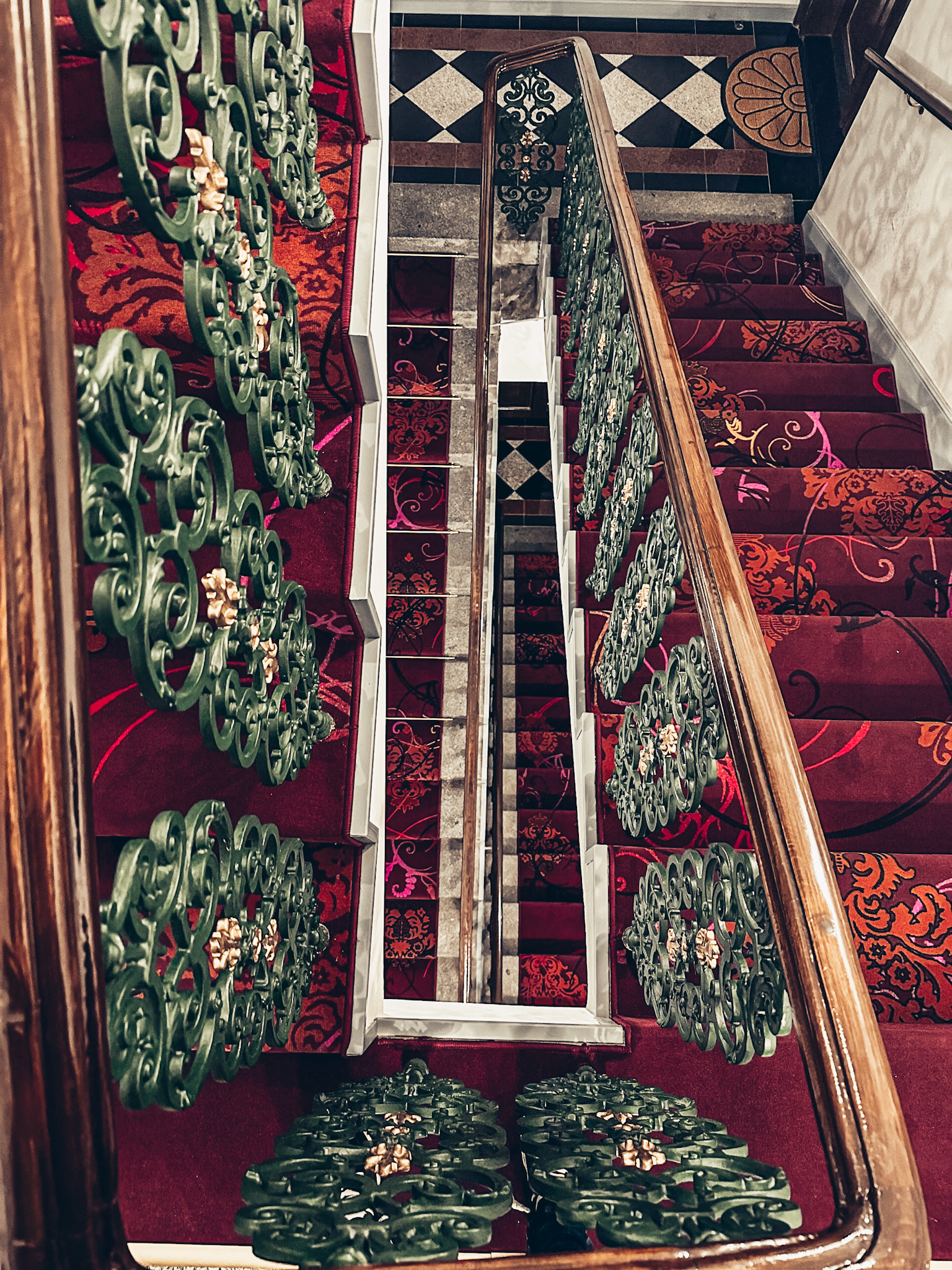
Art Nouveau elements are still evident today, for example, in the typical staircase railing or in the stained glass of the double doors, which originally featured etched glass with motifs from Alphonse Mucha’s paintings.

The idea for the hotel came with the next generation. After extensive renovations, the current Alfons Boutique Hotel opened at the end of 2018. After a very challenging Covid period, when everyone reached their existential limit, the hotel, led by its owners, is once again being cared for by a great team of people with maximum effort to ensure guest satisfaction. The hotel owners’ mission is to stand against the philosophy of hotel chains, which has unified standards and minimized personal attention to guests.

As a boutique hotel, our goal is to preserve “hospitality” in its original meaning, so that humanity and individuality do not disappear, so that guests not only feel at home here, but also take away unforgettable experiences from Prague for their stay in an exceptional environment.

Interesting Facts

Each room is different, as fitting hotel rooms into a historical building in a way that wouldn’t disrupt the structure and would be approved by the heritage institute was very complicated.

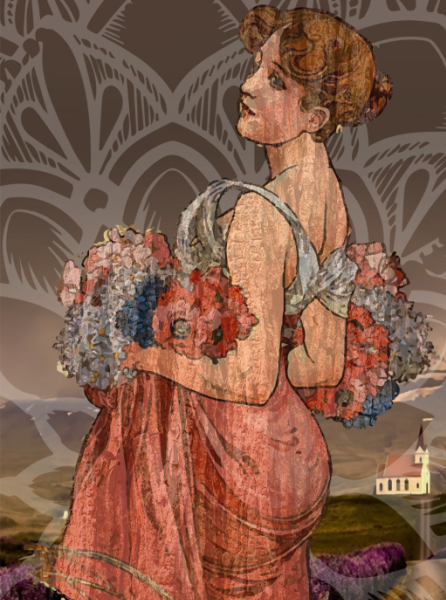
  • In the interior of each room you will find a backlit picture inspired by the graphics of Alphonse Mucha. These paintings were created by Czech artist Roman Řehák. He creates all of his work in applications on his mobile phone.
  • The furniture was made from old, dried-up oak trees from forests 40 kilometers outside of Prague, owned by the old Italian-Austrian princely family Colloredo-Mansfeld. The oldest tree was 300 years old.
  • The hotel keeps its own bees on the roof of the building. The honey from these bees is among the highest quality. The reason is the biodiversity of plants in the city’s parks and zero chemical spraying, which is common in fields, for example.
  • We are currently seeking the “Ecolabel” certification for ecological hotels, awarded by the European Commission. Only one hotel in Prague currently holds this label. Help us to be more environmentally friendly and preserve the environment and nature for future generations.

Alfons Mucha

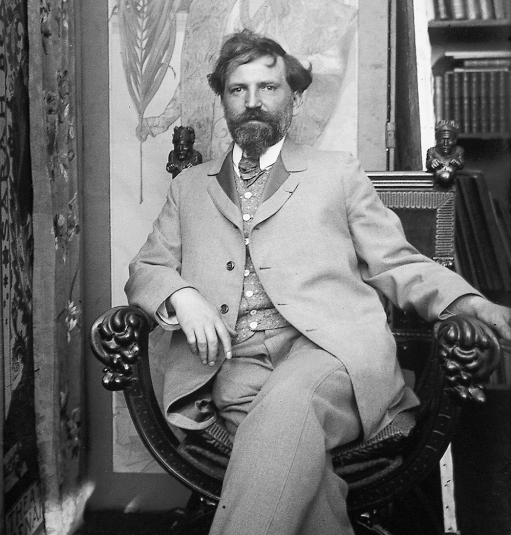
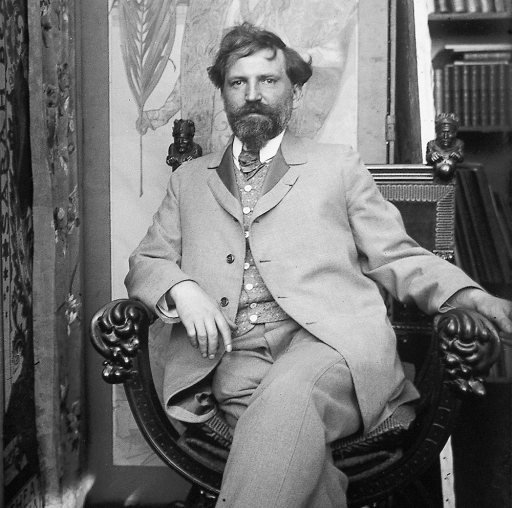
Art Nouveau painter, graphic artist, and designer Alfons Maria Mucha was born on July 24, 1860, in Ivančice, Moravia. From childhood, he loved drawing and painting, but when Mucha applied to the Prague Academy in 1878, he was rejected “for lack of talent.” Nevertheless, he did not give up drawing and earned extra money by painting scenery for various theater companies.

He also devoted himself to painting scenery in Vienna, where he moved in 1879. Count Karl Khuen-Belassi learned about his talent and invited Mucha to decorate his castle in Hrušovany nad Jevišovkou with frescoes according to his art. The Count was so enthusiastic about his work that he sent Mucha to study at the painting academy in Munich.

A Star Named Mucha Began to Rise in Paris

In 1887, Mucha moved to Paris, where he continued his studies at several other academies (Julian and Colarossi). After the Count stopped supporting him, he found his first “painting” job in the theater magazine Le Costume au theatre, for which he drew various illustrations and advertisements. In 1890, he founded his own studio, and a year later he met the famous Paul Gauguin, who even shared a studio with Mucha for a time.

Mucha’s star began to rise in 1894, when he created a poster for the most famous actress of the time, Sarah Bernhardt. She and Mucha clicked professionally and signed an exclusive contract with the Czech artist for advertising posters for plays, costume designs, and even jewelry or scenery. The World Exhibition in Paris in 1900 was entirely in the spirit of his distinctive “Art Nouveau”. His versatile talent also encompassed other artistic fields from sculpture to photography to theater.

Between 1906 and 1910, Mucha stayed overseas, in the United States. There he taught painting and created a number of portraits, mainly dominated by ladies from higher circles. In 1921, Mucha had a large retrospective exhibition at the Brooklyn Museum of Art.

Return to Bohemia

Mucha returned to Czechoslovakia in 1910 and devoted the rest of his life to creating an epic series of 20 paintings depicting the history of the Slavs, The Slav Epic. Mucha had dreamed of creating these large-format paintings from the mythology and history of the Slavic people his entire life. He fulfilled his dream when he created the work at Zbiroh Castle. It is a set of twenty large paintings, ten of which depict Czech legends and early history; the other ten canvases are devoted to Pan-Slavic themes. He donated the entire work to the city of Prague on September 1, 1928. Today, The Slav Epic can be seen at Moravský Krumlov Castle.

After Czechoslovakia became independent in 1918, Mucha willingly became involved in building the new homeland. He designed new stamps, the appearance of new police uniforms, and banknotes for the young state.

The end of Mucha’s life was marked by the sad period of the occupation of Czechoslovakia by Nazi Germany in 1939. Alfons Mucha’s work was a thorn in the side of the Nazis, as they considered the Slavs to be an inferior nation. Mucha was one of the first artists to be arrested and interrogated by the Gestapo. Mucha died of a lung infection on July 14, 1939, in Prague. He was buried in Vyšehrad’s Slavín, less than a kilometer from our hotel. The Vyšehrad walls that surround the famous cemetery at Slavín are also a beautiful place to explore Prague with an unforgettable view of the Vltava River and Prague Castle.

Source: https://www.kudyznudy.cz/ceska-nej/osobnost/alfons-mucha